

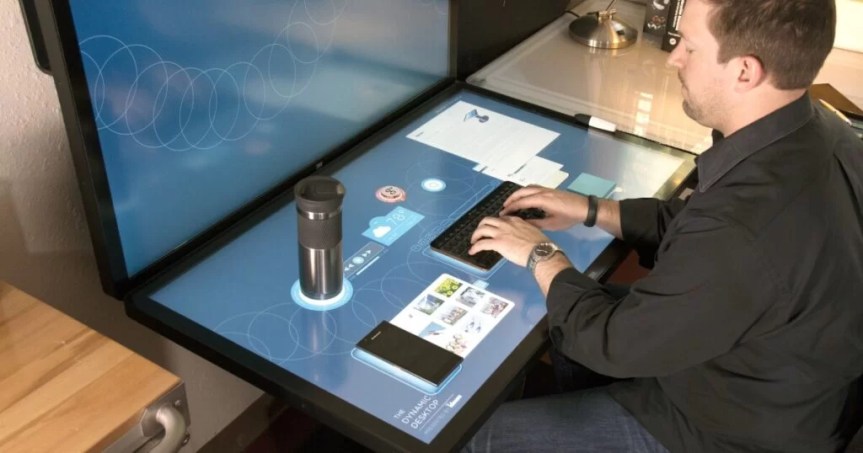
In the vast mosaic of human evolution, few chapters have unfolded as swiftly or as profoundly as the technological era we currently inhabit. From the hum of microprocessors to the silent operations of cloud-based systems, technology has gently, yet relentlessly, woven itself into the very essence of modern life. No longer confined to the realm of machines and hardware, technology has become both a mirror and a mold—reflecting our aspirations while shaping the world around us in ways we often fail to perceive in the moment.
The Quiet Permeation of Digital Life
Unlike industrial revolutions of the past, today’s technological wave is marked by its invisibility. It doesn’t roar like a locomotive or tower like a smokestack. Instead, it slips unnoticed into our routines. We unlock our phones with a glance. We receive weather forecasts based on satellite data before stepping out the door. Even the rhythm of traffic lights on our commute may be orchestrated by artificial intelligence optimizing city flow.
This invisible integration is the most powerful aspect of modern technology. It no longer announces itself with fanfare. Rather, it quietly transforms the very structure of our experiences, interactions, and expectations.
Redefining Communication and Connection
Technology has fundamentally altered how we communicate. What was once a world of handwritten letters and rotary phones has become an era of instantaneous messaging, global video calls, and real-time collaboration across continents.
Consider the evolution in how we connect:
-
Global Accessibility: Platforms like Zoom, WhatsApp, and Slack have made it possible to collaborate and maintain relationships across time zones with ease.
-
Language Barriers Diminished: Real-time translation tools allow for seamless conversation between speakers of different languages.
-
Social Dynamics Transformed: Social media has democratized communication, giving individuals a platform once reserved for traditional media outlets.
Yet, with this newfound accessibility comes a paradox: the more connected we are digitally, the more fragmented some interpersonal experiences may become. Technology gives, but it also subtly reshapes.
Work Reimagined: The Digital Workforce
Few areas have experienced as radical a transformation as the world of work. Remote and hybrid models, driven by advanced collaboration tools, are no longer experimental—they are the norm. Companies now hire talent from across the globe, often prioritizing skills over geography.
Key shifts in the workplace include:
-
Cloud-Based Infrastructure: Employees can access and contribute to company resources from virtually anywhere, enhancing flexibility and efficiency.
-
AI-Enhanced Productivity: From task automation to data analysis, artificial intelligence supports decision-making and eliminates repetitive tasks.
-
Digital Literacy as a Core Skill: Mastery of digital tools has become as fundamental as traditional literacy in many industries.
This reshaping of workspaces has led to a new professional ethos—one where autonomy, adaptability, and continuous learning are paramount.
The Rise of Intelligent Systems
Artificial intelligence has moved from theory to application with breathtaking speed. We now live alongside algorithms capable of learning, predicting, and, in some cases, creating. From personalized shopping experiences to predictive healthcare diagnostics, AI is embedded in ways both obvious and subtle.
However, the elegance of AI lies in its ability to evolve. Systems that once relied solely on human programming now improve through experience, adjusting outputs based on vast datasets and real-time feedback.
Prominent AI applications include:
-
Healthcare: Algorithms assist in identifying disease patterns and suggesting treatments with remarkable accuracy.
-
Finance: Predictive models analyze markets, offering real-time insights for traders and institutions.
-
Customer Experience: Chatbots and recommendation engines create more tailored, intuitive user interactions.
Yet, this power is double-edged. The potential for misuse, bias, and overreliance necessitates thoughtful regulation and human oversight.
Ethics in the Age of Innovation
As technological capabilities expand, so too must our ethical frameworks. Questions surrounding privacy, data ownership, algorithmic bias, and digital autonomy are no longer speculative—they are pressing.
Core ethical considerations include:
-
Data Privacy: In an age where our preferences, habits, and locations are constantly tracked, protecting personal data is paramount.
-
Algorithmic Fairness: AI systems must be audited to ensure they do not perpetuate or amplify societal biases.
-
Digital Wellbeing: The psychological impacts of excessive screen time, social media exposure, and digital surveillance require deeper examination.
Technological progress cannot be considered truly successful if it advances at the cost of our humanity. Ethical innovation ensures that progress serves people—not the other way around.
From Consumers to Co-Creators
A notable shift in the digital landscape is the transition of users from passive consumers to active creators. With platforms like YouTube, TikTok, Substack, and Web3 initiatives, individuals are no longer mere recipients of content—they are contributors, influencers, and in many cases, entrepreneurs.
The barriers to entry have lowered dramatically. A smartphone, a stable internet connection, and a compelling idea can launch a global business, a viral video, or a social movement.
This democratization of creation is empowering but also demanding. It calls for discernment, resilience, and responsibility in equal measure.
The Future: A Convergence of Realities
As we look ahead, the boundaries between digital and physical are beginning to blur. Virtual reality, augmented reality, and mixed-reality platforms are creating immersive experiences that merge the tangible with the intangible.
In fields like education, architecture, and entertainment, these technologies promise unprecedented engagement and creativity. Imagine learning ancient history through an interactive simulation or designing a building in real-time, walking through it before a single brick is laid.
Such innovations hint at a future where reality itself becomes customizable, shaped by the tools we design and the experiences we choose.
Conclusion: Technology as a Living Tapestry
Technology is not a monolith—it is a living tapestry, ever evolving and intricately interwoven with human intention, culture, and ethics. Its most profound impact lies not in machines or code, but in the subtle ways it rewrites our understanding of identity, work, connection, and progress.
In embracing this era of rapid innovation, we must remain vigilant stewards of our digital future—creative, curious, and above all, conscious. For while technology may shape the world, it is human vision that gives it purpose.
 The Magazine News